Natural beauty · Living ecosystems · Edible abundance
Landscapes shaped by nature
Distinctive living environments where beauty, biodiversity and food production belong together. A different vision of landscaping.
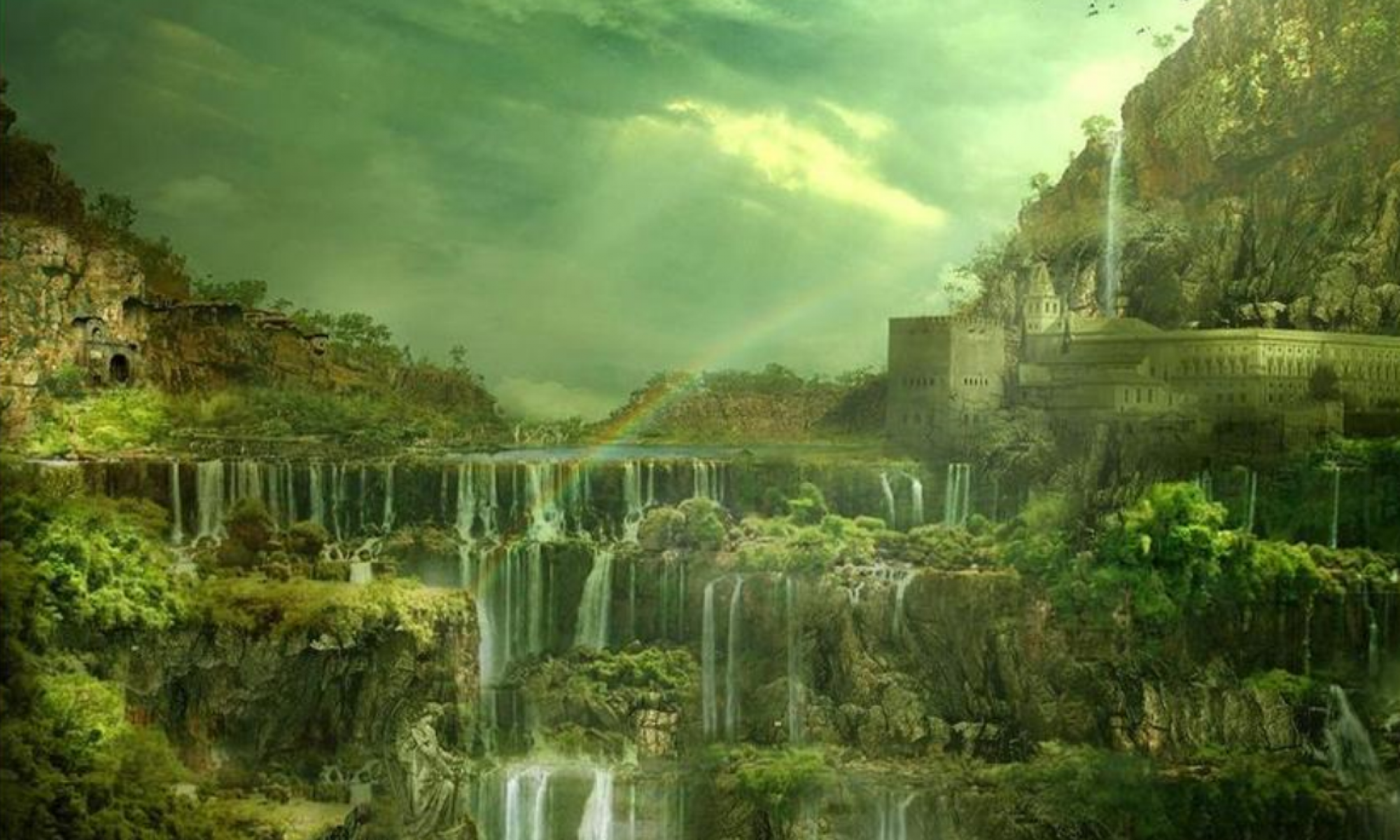
Every property, from a private garden to extensive community land, can become more than an ornamental landscape. By working with natural processes, we can create places that are beautiful, full of life and able to stand up to climate extremes. Native and locally adapted trees, wild edible species, fruit trees, herbs and ornamental vegetables can grow together into a landscape that serves people and respects its surroundings.
Principles of a living landscape
Adapted to its place
Plant choices respond to the local climate, soil, water and existing vegetation, so the landscape stays resilient through environmental extremes.
Beauty with purpose
Trees, herbs, flowers and edible plants bring visual richness, biodiversity and the potential to produce food.
Working with nature
Natural processes guide the design, reducing unnecessary artificial inputs and demanding maintenance.
No plowing, no tilling
Seeds are broadcast in clay pellets instead of turning the soil over. The soil stays whole and alive, and plant life establishes itself quickly.
How it works, in short
- Living soil: restored with natural, non-animal amendments such as compost, microbial life, seaweed, rock dusts and biochar.
- Seeds in clay pellets: a great variety of endemic and edible species is broadcast together, and nature decides what grows where.
- Many layers of life: trees, shrubs, herbs, ground covers, roots and climbing plants.
- Water and wildlife: ponds, wetlands and habitats for animals.
- Places for people: paths, benches, pergolas, kiosks, greenhouses and swimming ponds, placed within the landscape.
- Less work over time: the land builds its own fertility and needs less and less human help.
A considered approach to each property
No two properties or projects are alike. Whether working with an individual property owner, a community, or an organisation, the process begins by understanding the land: its natural conditions, existing vegetation, possibilities, and limitations. From there, a landscape is developed around the character of the place and the owner’s aspirations. The guiding principle is simple: create landscapes that belong to their environment and grow in harmony with it.
Discuss a Project or Collaboration
Whether you own private land, manage a hospitality and activity center, or belong to a community with land, I welcome enquiries about developing natural, biodiverse, and productive landscapes
Depending on the project, collaboration can take different forms, from landscape design and consultation to practical implementation, knowledge sharing, and longer-term guidance.
Tell me about your land, your ideas, and what you would like to achieve.
.