- Primal Landscapes – Vision and Methodology
The Vision
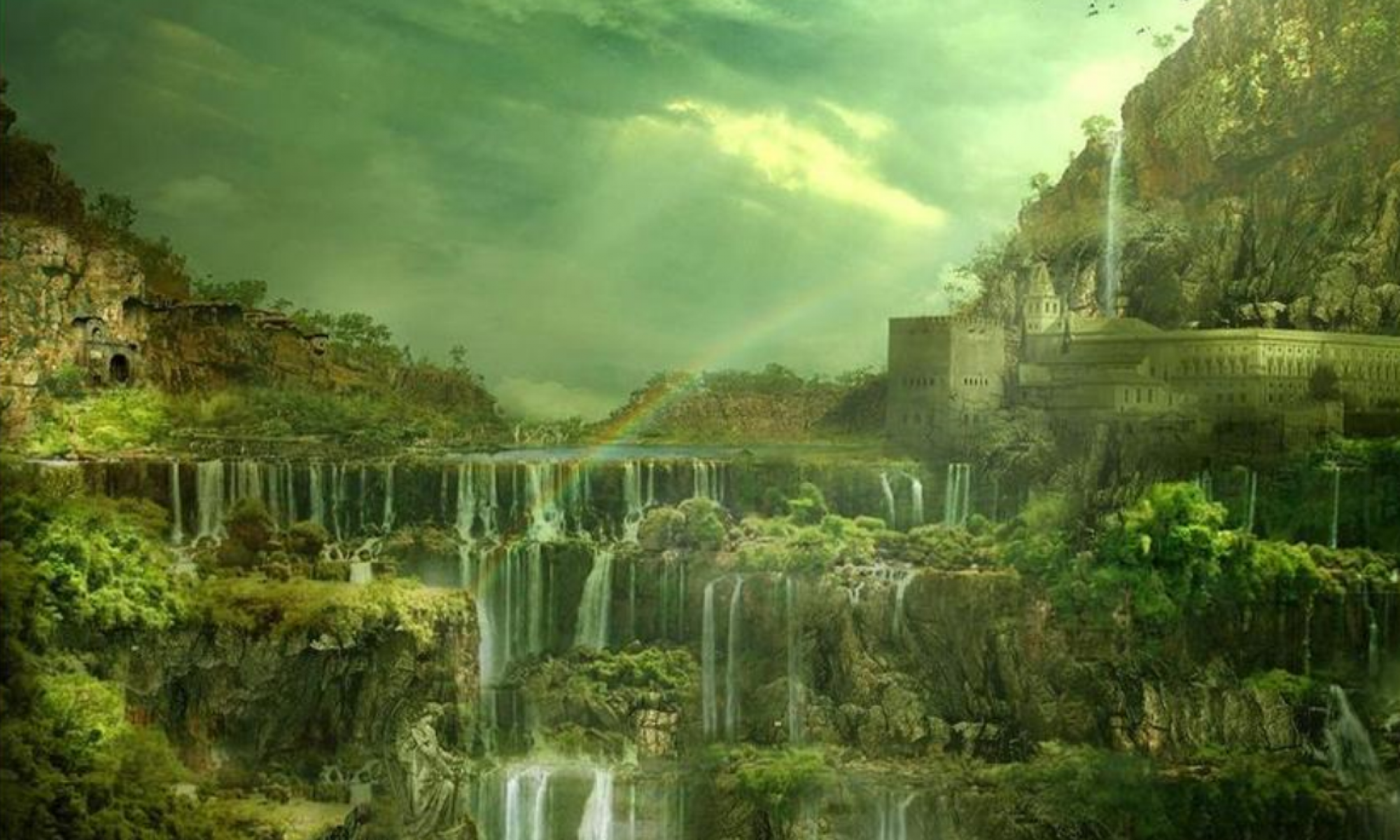
Primal Landscapes aims to create self-sustaining natural environments. Nature provides the foundation, while human creativity and artistic expression add elements that serve our needs and enrich the landscape.
What makes this approach distinctive is that nature leads and human intervention follows. We cannot achieve the full potential of a landscape by relying exclusively on our intellect, preconceived plans or ready-made knowledge. By approaching nature without rigid expectations and learning to work in tune with its processes, we allow it to reveal possibilities that might otherwise remain unnoticed.
The benefits are twofold. Nature provides an increasing part of what life needs: food, materials, shelter, beauty and the conditions for human wellbeing. At the same time, living in contact with natural environments can reduce stress, improve mood and stimulate creativity.
Land Selection and Assessment
Everything begins with the place itself. Whether you are an individual or part of a community or organisation, whether you already own or manage land or are looking to acquire a property for a future project, these are the main factors to consider:
- Terrain: the shape of the land, its slopes and how water moves across it.
- Soil: its condition, composition and what it needs.
- Sunlight and wind: how they move through the property.
- Water: what is available, how it can be stored and what additional provision may be necessary.
- Existing vegetation and surrounding forests: what is already growing and what forms of life exist in the surrounding environment.
- Climate: the local conditions and environmental extremes the landscape must be able to withstand.
The best approach is to visit the property and assess these conditions in person before deciding how to proceed.
Soil Restoration
The goal is to establish deeply living soil that functions through its own biological processes. The approach uses natural, non-animal-derived materials, selected according to the condition and needs of the land. These may include:
- Compost and plant residues: to contribute organic matter and support soil life.
- Microbial life and mycelium: to support the biological processes involved in decomposition, nutrient cycling and soil development.
- Seaweed, Ormus and mineral amendments such as rock dusts and zeolite: used where appropriate as sources of minerals and trace elements.
- Biochar: a porous carbon material that, when properly prepared and incorporated, can provide habitat for microorganisms and help retain moisture and nutrients.
- Earthworms and other soil organisms: whose activity contributes to soil structure, organic matter decomposition and nutrient cycling.
The intention is to establish a living soil system that increasingly maintains its own fertility through natural processes, rather than depending on repeated applications of fertilizers or manure. As in a natural forest, fertility is maintained through the continuous cycling of organic matter and nutrients.
Establishing Biodiversity
Instead of plowing or tilling, a diverse plant community is established through a natural sowing strategy that keeps the soil intact.
- Step one: a variety of seeds is broadcast in clay pellets. The clay helps protect the seeds and holds them in place until moisture allows them to germinate.
- Soil-improving species first: initial plantings include species that contribute organic matter, protect the soil and help improve its structure.
- Then variety: subsequent plantings introduce a great diversity of native and locally adapted species, including more than 300 species of edible and non-edible plants, fruit trees, shrubs, climbers, perennials and annuals.
- Native, endemic and edible species: these are introduced together according to the characteristics of the site. Nature determines which species establish themselves, where they grow and how the ecosystem develops.
- Many layers: from the tree canopy to ground cover, every layer contributes to the functioning of the whole.
- Fire-conscious planting: species selection, vegetation arrangement and appropriate management help reduce fire risk while respecting the natural character of the landscape.
We bring the seeds, and nature does much of the rest.
Trees and Planting Strategies
There are several ways to introduce trees and other plants, depending on the site, available resources and desired results.
- Method One – Patience: broadcast clay pellets containing selected native and endemic species, while growing the desired fruit trees in a nursery. After one to three years, once the natural vegetation is established, transplant the nursery trees into suitable spaces, selectively thinning or managing existing growth where necessary.
- Method Two – Together from the start: where sufficient seeds are available, include fruit tree seeds in the initial clay pellets. The resulting seedlings can be transplanted or thinned later according to their development and location.
- Method Three – Quicker establishment: plant larger trees and selected nursery-grown plants, such as herbs and flowers, while broadcasting clay pellets containing soil-improving and ground-cover species over the remaining area. A nursery raised from seed provides replacements for plants that fail to establish.
Shrubs, herbs, ground covers, root crops and climbing plants are introduced alongside the trees. Some trees can also support climbing species such as vines and kiwis.
Greenhouses and Nurseries
- Nursery: for raising trees, shrubs and other plants from seed, providing material for transplanting and replacing plants that fail to establish.
- Retractable-roof greenhouse: a structure whose roof opens during the day and closes at night. When open, plants receive natural daylight and rainfall; when closed, the structure provides protection. Water tanks or other thermal-mass elements can store heat during the day and release it at night, helping regulate temperature naturally.
Water and Natural Habitats
Water brings life to a landscape. Its collection, storage and circulation can create habitats, support biodiversity and provide irrigation. Possible features include:
- Ponds and wetlands: to encourage biodiversity, collect water and support natural filtration.
- Additional water reservoirs or ponds: where appropriate, separate ponds can be used for filtration and irrigation storage.
- Different pond designs: from small wildlife ponds and large natural ponds to elongated ponds with bridges and natural swimming ponds.
- Pond-side streams and cascades: introducing movement, sound and visual interest.
- Wildlife islands: providing relatively undisturbed habitats and refuge for animals.
- Where water is scarce: water conservation, efficient storage and appropriate irrigation systems are essential. More specialised possibilities, such as solar desalination or atmospheric moisture collection, can also be considered where local conditions make them practical.
Landscape Design and Human Spaces
Places for people are woven into the landscape rather than imposed upon it. Planting arrangements and the distribution of human activities vary according to the location, the size of the property and the intended use.
One possible approach is a zoned design:
- Outer zone: native vegetation and wild fruit trees providing food and habitat for wildlife.
- Middle zone: a mixture of cultivated and wild fruit trees, edible understory plants, medicinal herbs, flowers and resilient vegetables.
- Central area: a multifunctional space that may include homes, greenhouses, nurseries, ponds, rock gardens, fountains and artistic landscape features.
This is only one possible arrangement. Each property calls for a design that responds to its own natural characteristics and the needs of its inhabitants.
Structures and Places to Relax
Human facilities and recreational spaces can be incorporated naturally into the landscape. Possibilities include:
- Paths and benches: placed where they provide convenient access and pleasant views.
- Shaded seating: kiosks, gazebos or pergolas covered with climbing plants.
- Outdoor dining areas and kitchens.
- Rustic structures: small buildings made from natural materials such as adobe or stone.
- Treehouse platforms: offering places to relax within the tree canopy.
- Open areas with views: creating spaces for gathering, contemplation or outdoor activities.
- Rock gardens and waterfalls.
- Sheds: for tools, equipment and gardening supplies.
- Other structures: designed to suit the character of the property, the needs of its inhabitants and locally available materials.
Natural Development and Maintenance
A living landscape continually changes and develops. As plants grow, they transform their surroundings: they build organic matter, improve the soil, retain water, provide shelter and create conditions for other forms of life. Gradually, an interconnected web develops between plants, fungi, microorganisms, insects, animals, water and the atmosphere.
Human input is necessary during establishment and remains important in certain areas as the landscape matures. However, as the ecosystem develops, natural processes take over an increasing share of the work. The land progressively builds its own fertility, resilience and capacity for renewal.
Over time, human intervention can become less demanding, concentrating mainly on occasional tasks such as selective pruning, guiding plant growth, managing access and placing dead branches on the soil to decompose and return organic matter.
The aim is a landscape that becomes increasingly self-regulating rather than one that depends on continuous maintenance.
- Experience and Sources of Knowledge
Primal Landscapes draws on nearly five decades of living in close relationship with nature and approximately fifteen years of hands-on experimentation with natural and semi-natural cultivation on different farms. This experience includes establishing autonomous farms from the ground up.
Over the years, this practical relationship with nature has developed an intuitive ability to observe and respond to its processes. This helps guide decisions about timing, seed selection, quantities, plant combinations and the use of natural amendments.
The approach is based primarily on Masanobu Fukuoka’s Natural Farming. It also draws on permaculture, food forests, regenerative no-till methods and the practical experience of other growers and ecological practitioners.
Ways of Working Together
Every project has different needs and possibilities. Depending on the size of the property, available resources and the desired level of involvement, collaboration can take several forms:
- Consultation and recommendations: advice on specific questions or the overall development of the property.
- Site assessment and landscape design: an assessment of the land followed by a comprehensive development plan.
- Plant selection and sourcing guidance: identifying suitable species and advising on where and how to obtain them.
- Written instructions: providing detailed guidance for your gardener or gardening team.
- Training: introducing your team to ecological landscaping principles and practical methods.
- Periodic supervision: reviewing progress and advising while your team carries out the work.
- On-site implementation: participating in the practical development of the landscape, working with an existing team or bringing together a suitable team.
- Full implementation: coordinating the process from initial preparation through planting and establishment.
- Long-term guidance: follow-up visits and advice as the landscape develops and matures.
Interested in developing your own landscape or exploring a possible collaboration? Contact me to arrange a conversation or a visit.